|
Vaping versus Smoking: Both Impact Insurance Premium
What is Vaping?
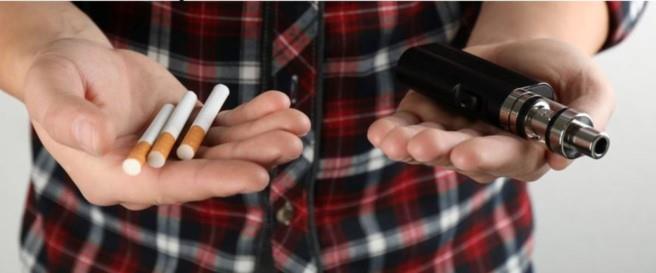
Vaping involves heating a liquid to produce an aerosol, inhaled by the user. This method delivers nicotine without the harmful process of burning tobacco, potentially offering a safer alternative to traditional cigarettes, which release nicotine through combustion which is linked to numerous smoking-related deaths.
Smoking is well-documented.
According to Johns Hopkins University School of Medicine and Hospital, smoking adversely affects nearly every organ in the body and is a significant contributor to heart disease-related deaths. The combustion of tobacco generates thousands of chemicals, many toxic, leading to various health issues.
Is vaping a lesser evil?
Vaping is often viewed as a less harmful alternative to smoking. E-cigarettes don’t burn tobacco, avoiding many of the toxic substances found in cigarette smoke. However, vaping carries its own risks, including exposure to harmful substances like diacetyl (双乙酰), heavy metals, and carcinogens (致癌物). The long-term health effects of vaping are still largely unknown.
Research from Johns Hopkins Medicine found that while vaping exposes users to fewer toxic chemicals than smoking, it has been linked to lung injuries and deaths, particularly among those using black market products or modifying devices. Nicotine, highly addictive and present in both e-cigarettes and traditional cigarettes, poses risks to heart health by raising blood pressure and adrenaline (肾上腺素) levels.
Vaping growing popularity within youth
A concerning trend is the growing popularity of e-cigarettes among young people. Data from an Action for Smokefree Year 10 Snapshot Survey shows a surge in daily vaping among young people between 2019 and 2021, coupled with a decline in daily cigarette smoking rates among the same demographic.
The American Heart Association and other health organisations view e-cigarette use by youth as a significant public health threat. Nicotine can harm the developing brains of children, adolescents, and foetuses in pregnant women who vape.
Understanding New Zealand’s e-cigarette regulations
Effective from December 2023, New Zealand has implemented regulations on the sale of e-cigarettes and vaping products to mitigate their appeal to children and young people, and address public health concerns. These include requirements for removable batteries in single-use (disposable) vaping products.
Despite this, some health professionals in New Zealand are calling for the government to place greater focus on youth vaping. The Health Coalition Aotearoa’s Smokefree Expert Advisory Group has expressed concerns that the measures, including the ban on disposable vapes, may not effectively curb youth vaping as intended. They argue that these measures do not address the core issues, such as the wide availability of vapes and the need for stronger enforcement of existing laws.
While vaping may offer a less harmful alternative for smokers attempting to quit, it comes with its own set of risks and is not recommended for non-smokers, children, or young adults. The most significant health benefits are observed when individuals cease all forms of smoking.
As we explore the complex landscape of vaping versus smoking, continuous research and public education are crucial to ensure informed health decisions.
For life and health insurance, smoking and vaping are underwritten as substance use, which will affect your premium to a certain extent.
|
 Patrick Wang